
What Causes Cataracts? Understanding the Factors Behind Cloudy Vision
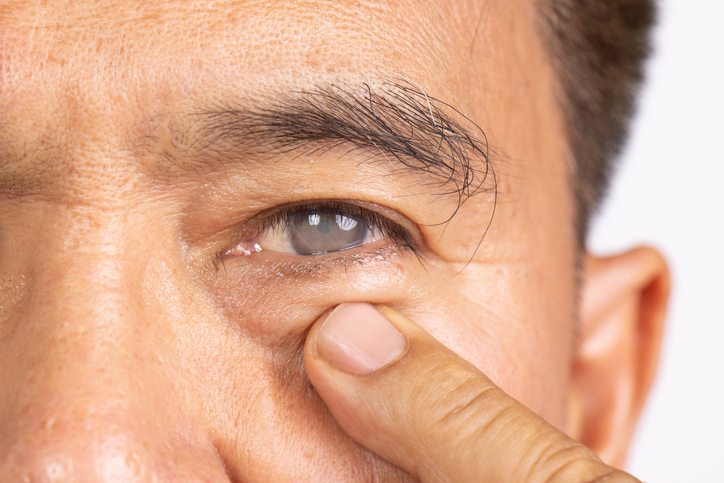
The Short Answer: A cataract forms when proteins in your eye’s lens break down and clump together, creating a cloudy area that blocks light rays from reaching the retina clearly. While aging is the most common cause, other factors like diabetes, eye injuries, and genetics can also lead to cataract formation.
More than half of Americans age 80 and older either have cataracts or have had cataract surgery, according to the National Eye Institute. Understanding what causes this common condition can help you take steps to protect your vision and know when to schedule an eye exam.
How Your Eye’s Lens Works
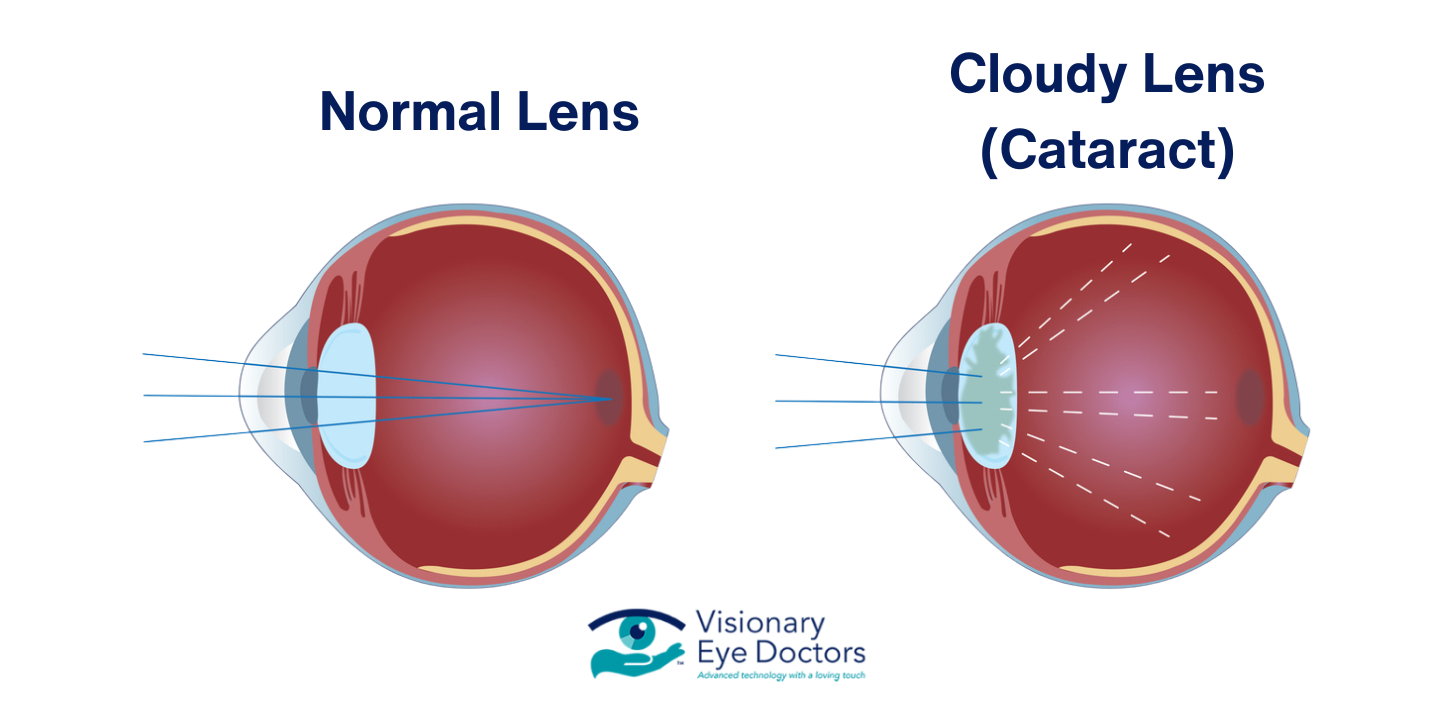
Your eye has a natural lens that sits behind your iris (the colored part of your eye). This lens focuses light rays onto the retina at the back of your eye, which sends signals through the optic nerve to your brain to create the images you see.
A healthy lens is clear, like a clean window. It is made mostly of water and proteins arranged in a precise pattern that allows light to pass through. When those proteins start to break down and clump together, they create a cloudy lens that scatters light instead of focusing it. That clouded lens is a cataract.
The Main Causes of Cataracts
Aging
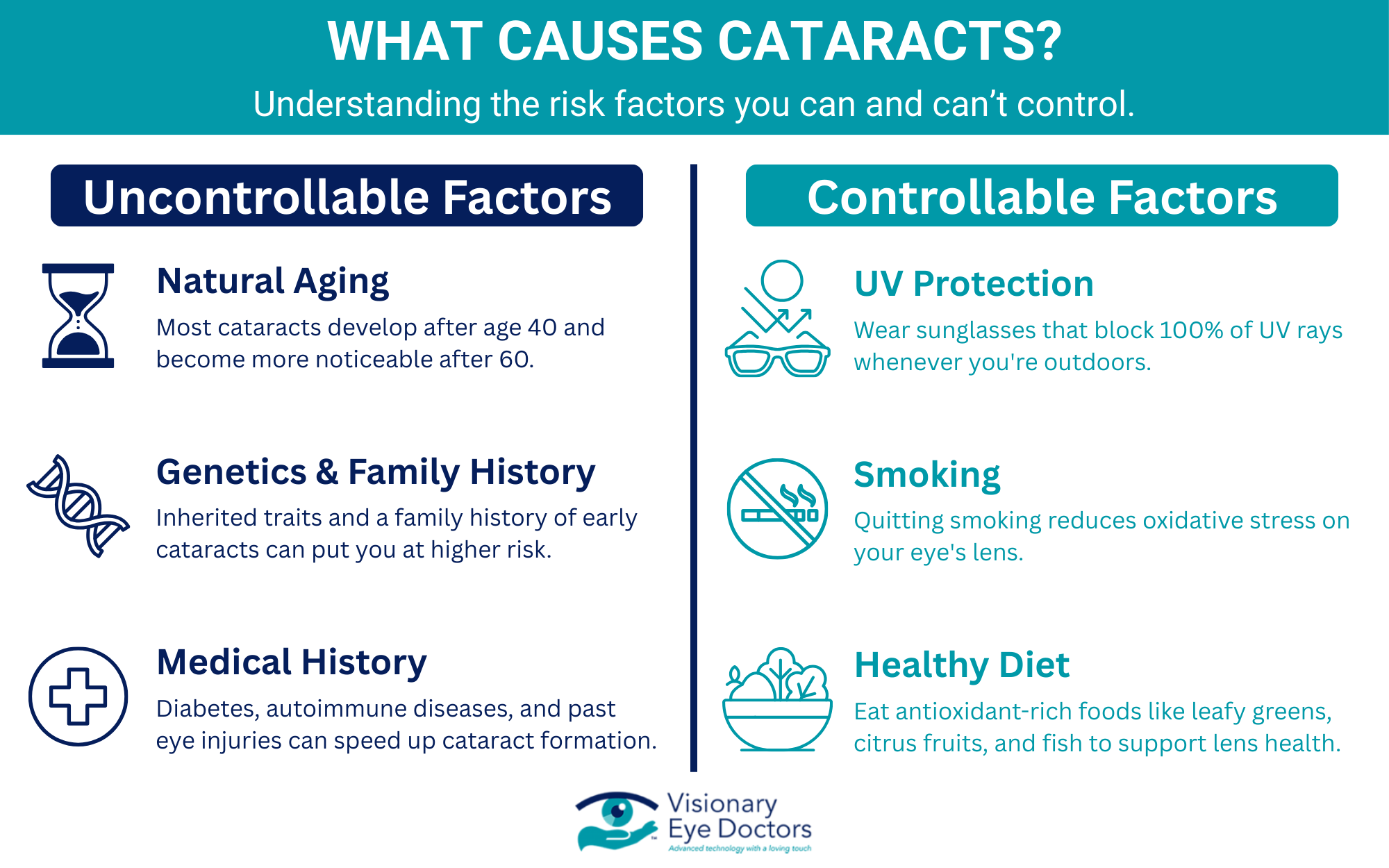
Age-related cataract is the most common type. Over time, the proteins in your eye lens begin to break down due to years of oxidative stress and exposure to ultraviolet light. This natural wear and tear causes the lens to gradually become less transparent.
Most people begin developing cataracts around age 40, though vision problems may not become noticeable until age 60 or later. Among older adults, cataracts are the leading cause of vision loss worldwide.
Medical Conditions
Several medical conditions can increase your risk of cataract formation:
- Diabetes: High blood sugar levels can cause the eye lens to swell and change shape, speeding up protein breakdown. People with diabetes have a higher risk of developing cataracts at a younger age.
- Autoimmune diseases: Conditions like rheumatoid arthritis and lupus (and the corticosteroid medications used to treat them) are linked to earlier cataract development.
- Previous eye surgery or retinal detachment: Earlier procedures on the eye can increase the chances of a cataract forming later.
Any medical condition that affects blood flow or inflammation in the body can potentially contribute to changes in the lens over time. If you have a chronic health condition, let your eye doctor know so they can monitor your eyes more closely.
Eye Injuries
A traumatic cataract can develop after a blow, puncture, or chemical burn to the eye. The injury damages the structure of the lens capsule, allowing fluid to enter and disrupt the organized protein fibers. A traumatic cataract may appear soon after the injury or develop years later.
Even minor injuries that seem to heal fully can leave behind damage that leads to cataract formation down the road. Wearing protective eyewear during sports, yard work, and home improvement projects is one of the simplest ways to reduce this risk factor.
Genetics and Congenital Cataracts
Some babies are born with a congenital cataract or develop one in early childhood. These may be inherited or caused by infections during pregnancy, such as rubella. A congenital cataract can affect a child’s vision development, so early detection by a pediatric ophthalmologist is important. If the cataract is large enough to block normal vision, surgery may be needed to protect the child’s vision as they grow.
Family history also plays a role in age-related cataracts. If your parents or siblings developed cataracts early, you may be at higher risk for earlier onset as well.
Types of Cataracts
There are several types of cataracts, each affecting a different part of the lens:
- Nuclear cataract: This is the most common age-related type. A nuclear cataract forms in the center (nucleus) of the lens. It often begins with a process called nuclear sclerosis, where the lens gradually hardens and yellows. Over time, it may cause blurry vision and difficulty distinguishing colors.
- Cortical cataract: This type starts as white, wedge-shaped, cloudy patches on the outer edge of the lens and slowly extends toward the center. It can cause problems with glare and contrast.
- Posterior subcapsular cataract: This type forms at the back of the lens, just inside the lens capsule. It tends to progress faster than other types and can cause difficulty reading, double vision, and glare from headlights at night. People who take corticosteroids or have diabetes are at higher risk for this type.
It is possible to have more than one type of cataract in the same eye. Your eye doctor can identify the specific type during a dilated eye exam, which helps guide the best approach for monitoring or treatment.
Risk Factors That Speed Up Cataract Formation
While you cannot fully prevent cataracts, being aware of the risk factors can help you slow their progression:
- Prolonged UV exposure without sunglasses
- Smoking and heavy alcohol use
- Long-term use of corticosteroid medications
- A family history of early cataracts
- Previous eye injuries or eye surgery
- Obesity
- High blood pressure
Reducing these risk factors where possible can help. Wearing UV-blocking sunglasses, eating a healthy diet rich in antioxidants (like leafy greens, citrus fruits, and fish), managing conditions like diabetes, and quitting smoking are all practical steps you can take. Research from the American Academy of Ophthalmology supports the link between lifestyle choices and the pace of cataract development.
Cataract Symptoms to Watch For
Cataracts usually develop slowly. You might not notice changes at first, but over time, cataract symptoms can include:
- Cloudy vision or blurry vision that worsens gradually
- Colors appearing faded or yellowed
- Increased sensitivity to glare from headlights or sunlight
- Double vision in one eye
- Needing brighter light for reading and other daily activities
- Frequent changes to your eyeglass or contact lens prescription
These symptoms can overlap with other vision problems, which is why a professional evaluation matters. If any of these sound familiar, schedule an eye exam. Your eye doctor can check for cataracts and other conditions that may be affecting your normal vision.
How Cataracts Are Treated
In the early stages, updated eyeglasses or contact lenses may help you manage mild vision changes. But as the cataract grows and begins to interfere with daily activities like driving, reading, or working, cataract surgery becomes the most effective treatment.
During cataract surgery, your surgeon removes the clouded lens and replaces it with an artificial lens called an intraocular lens (IOL). This artificial lens is permanent and designed to restore clear vision. There are several IOL options available depending on your lifestyle and visual needs.
Cataract surgery is one of the most commonly performed procedures in the United States, with a high success rate. Most patients notice a significant improvement in their vision within a few days of the procedure.
What About Posterior Capsular Opacification?
Some patients notice cloudy vision returning months or years after cataract surgery. This is called posterior capsular opacification (sometimes referred to as a “secondary cataract”). It happens when the thin membrane behind the intraocular lens becomes cloudy. A quick, painless laser procedure called a YAG capsulotomy can correct it, and the results are typically immediate.
Protect Your Vision with Regular Eye Exams
Cataracts are one of the most common causes of vision loss, but they are also one of the most treatable. Knowing what causes cataracts, from aging and oxidative stress to medical conditions and eye injuries, gives you the information you need to be proactive about your eye health.
At Visionary Eye Doctors, our team provides personalized cataract care for patients across Washington, DC, and Maryland. From early detection during a routine eye exam to advanced cataract surgery with premium intraocular lens options, we are here to help you see clearly at every stage.
Book your appointment today to get ahead of cataracts and protect the vision you depend on.

